The flashcards: Apple, Ant, Alligator, Axe
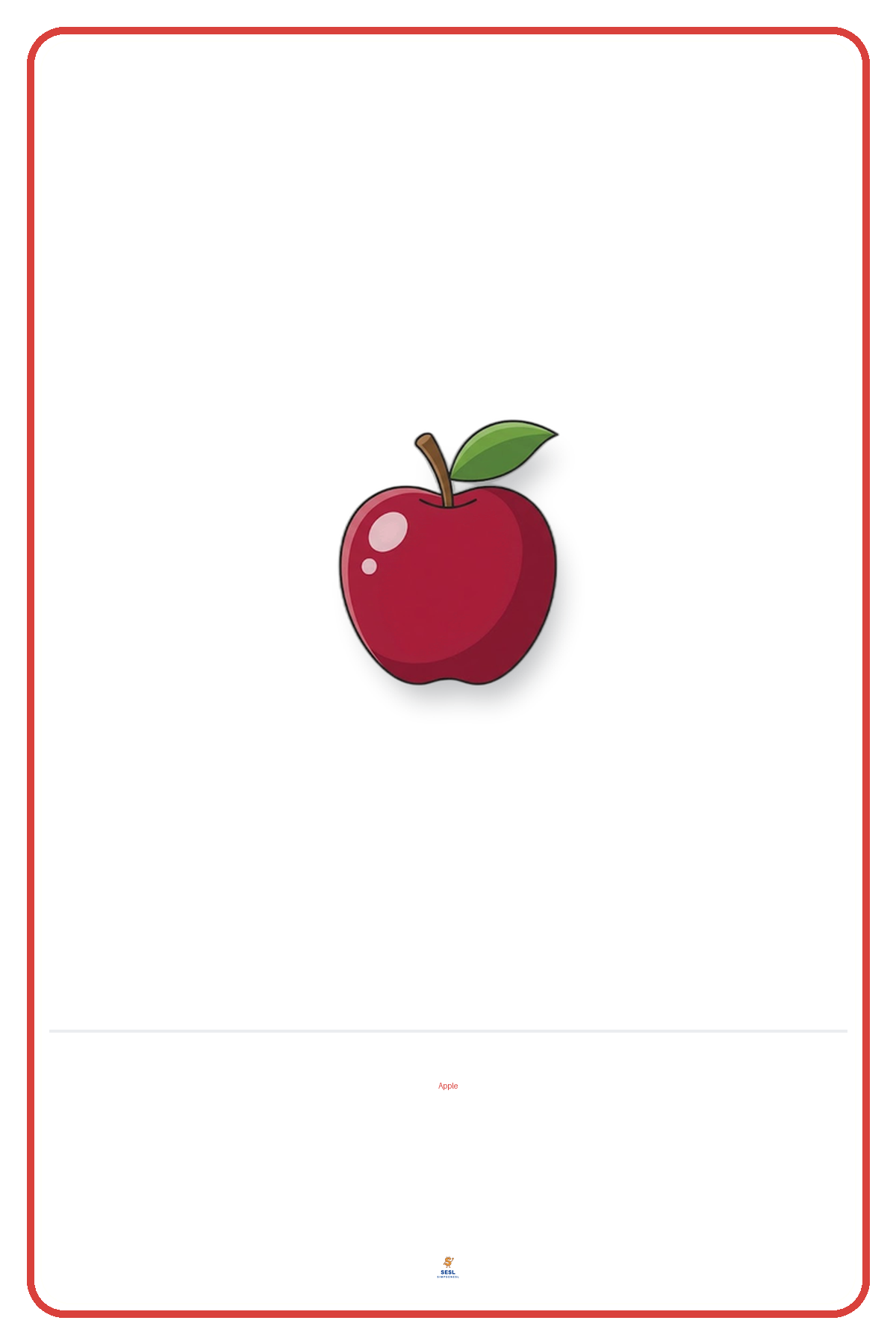
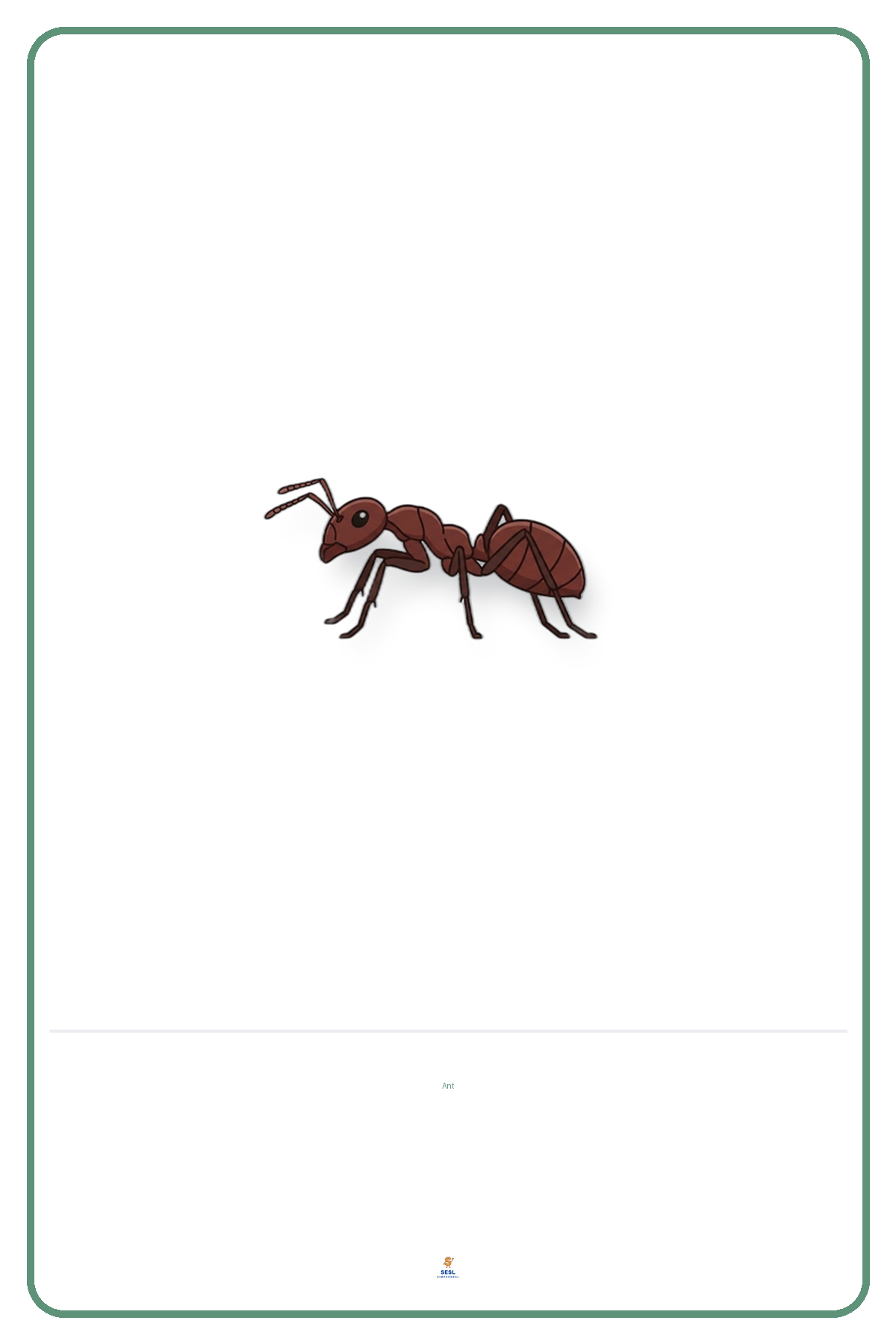
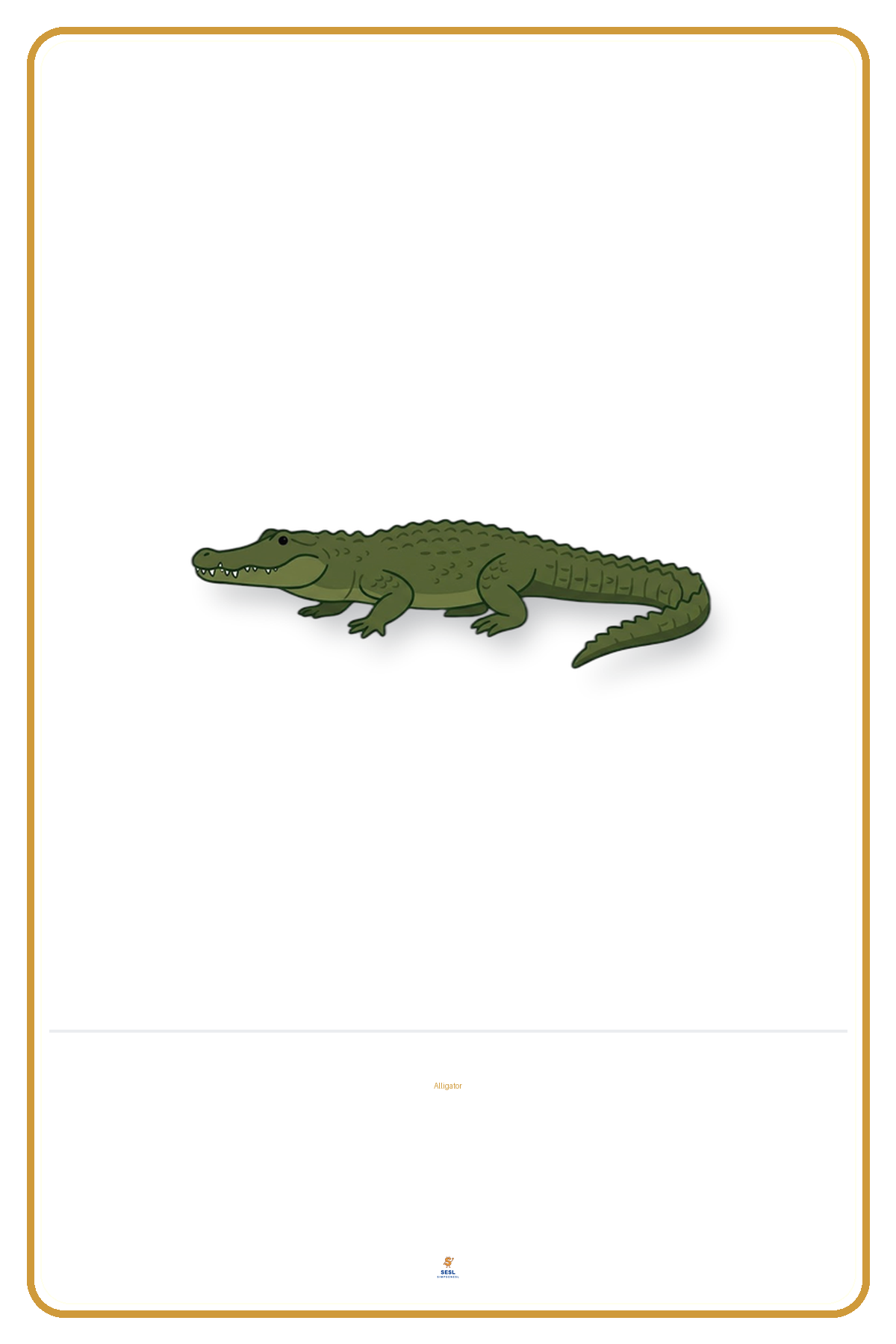
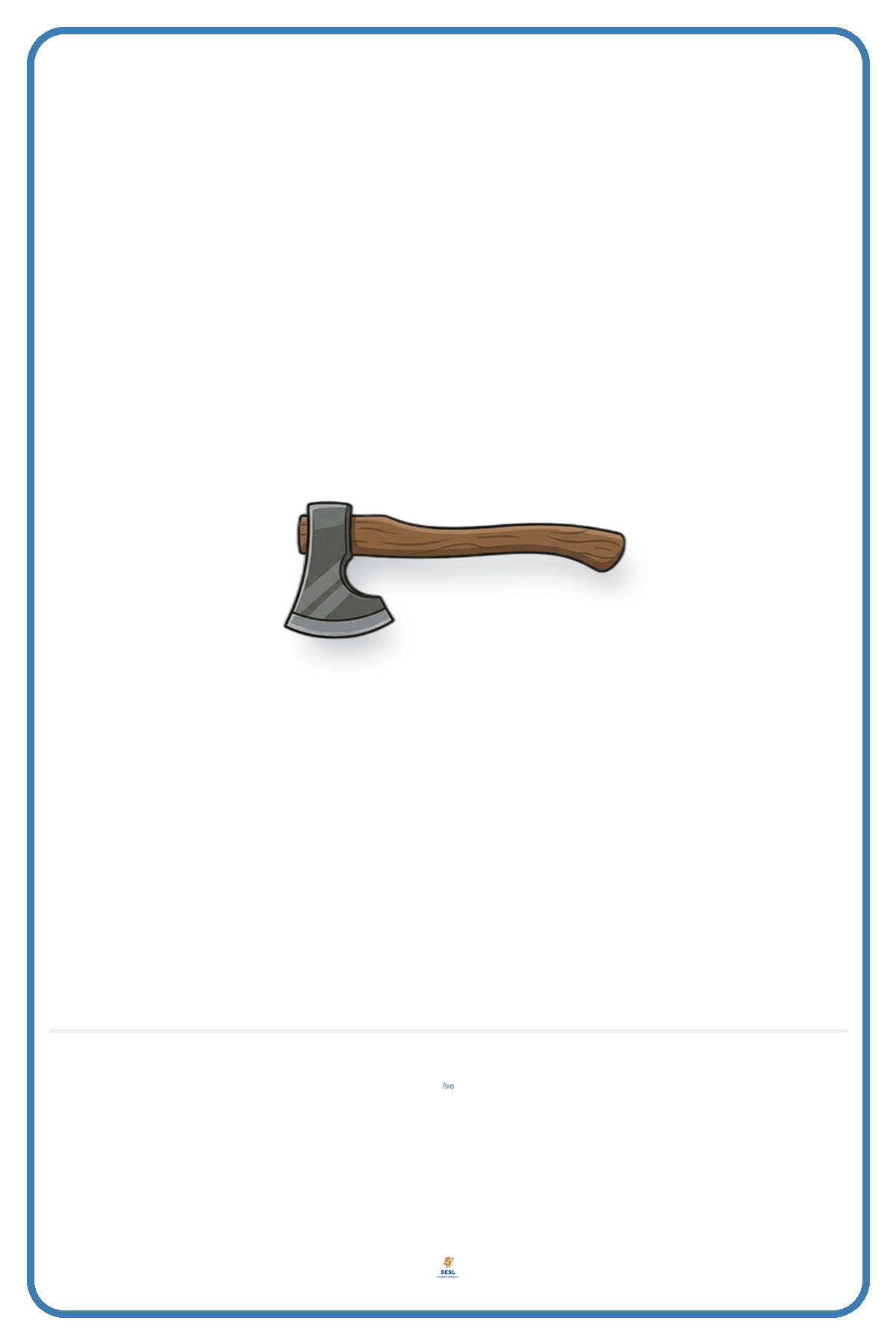
Why flashcards are the core of a phonics lesson: they build direct picture-to-word association. The child sees the apple and says "apple" — no translating through their home language first. That matters more than it sounds: translation-first teaching trains kids to mentally translate every single time, which permanently slows recognition. Direct association is faster to build and faster to recall.
Notice each card is one picture, one word, nothing else. At ages 3–6, visual clutter competes with the vocabulary. The clean layout is deliberate, and the same illustration style repeats across all 898 cards in the curriculum, so kids recognize the format instantly from the first lesson to the last.
Apple card Ant card Alligator card Axe cardThe worksheet: trace, write, draw
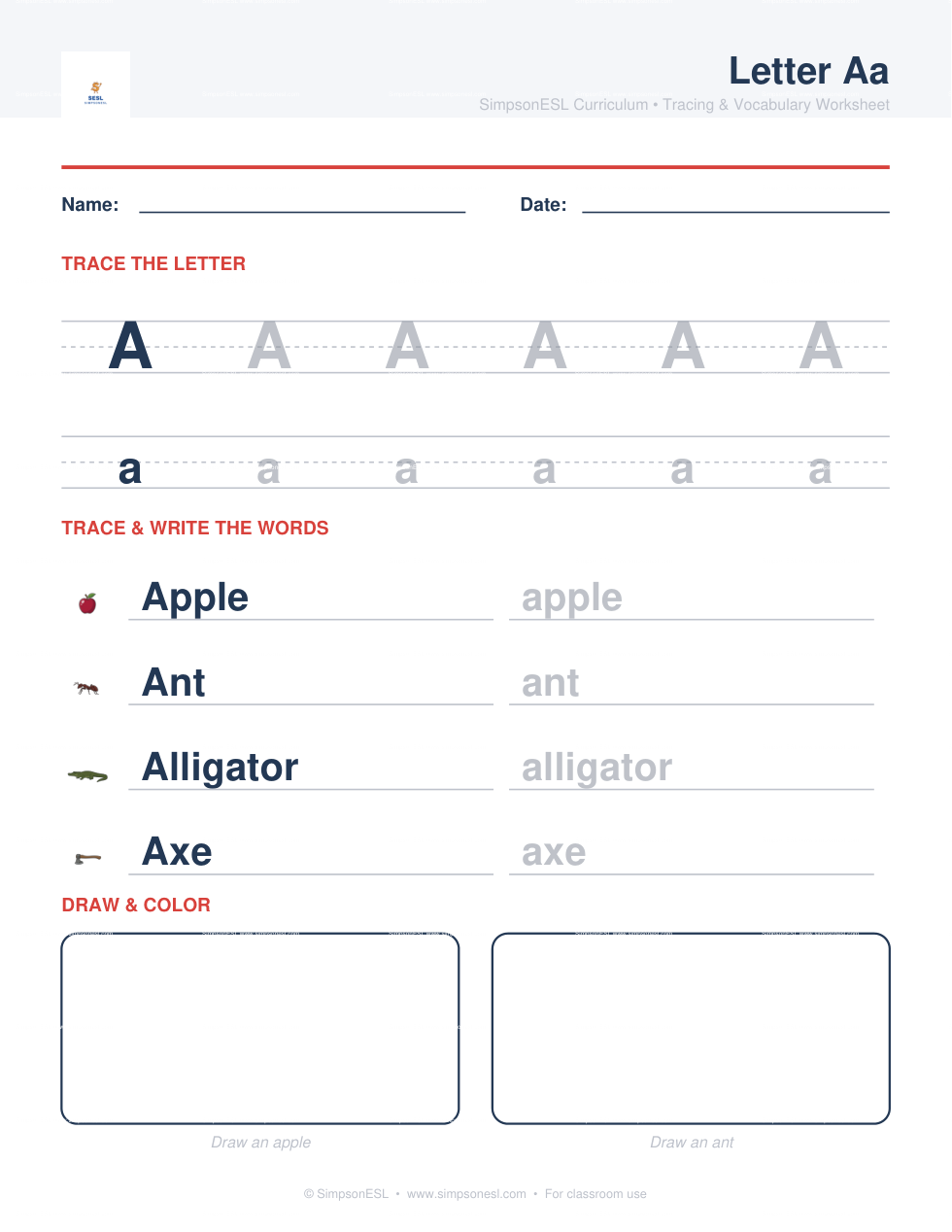
Why this worksheet works: it reinforces instead of introduces. The four words on the worksheet are exactly the four words from the flashcards — a worksheet that jumps ahead of what was taught just causes frustration at this age. The sequence runs from easiest to hardest: trace the big letter, trace the words with a picture cue beside each one, write them independently, then draw the objects. Each row is a small win that sets up the next.
The tracing rows also do double duty: while the child practices letter formation (a motor skill), they're re-reading the same vocabulary a fourth and fifth time — repetition without it feeling like repetition.
Download the worksheet (PDF)The mind map: one letter, one connected memory
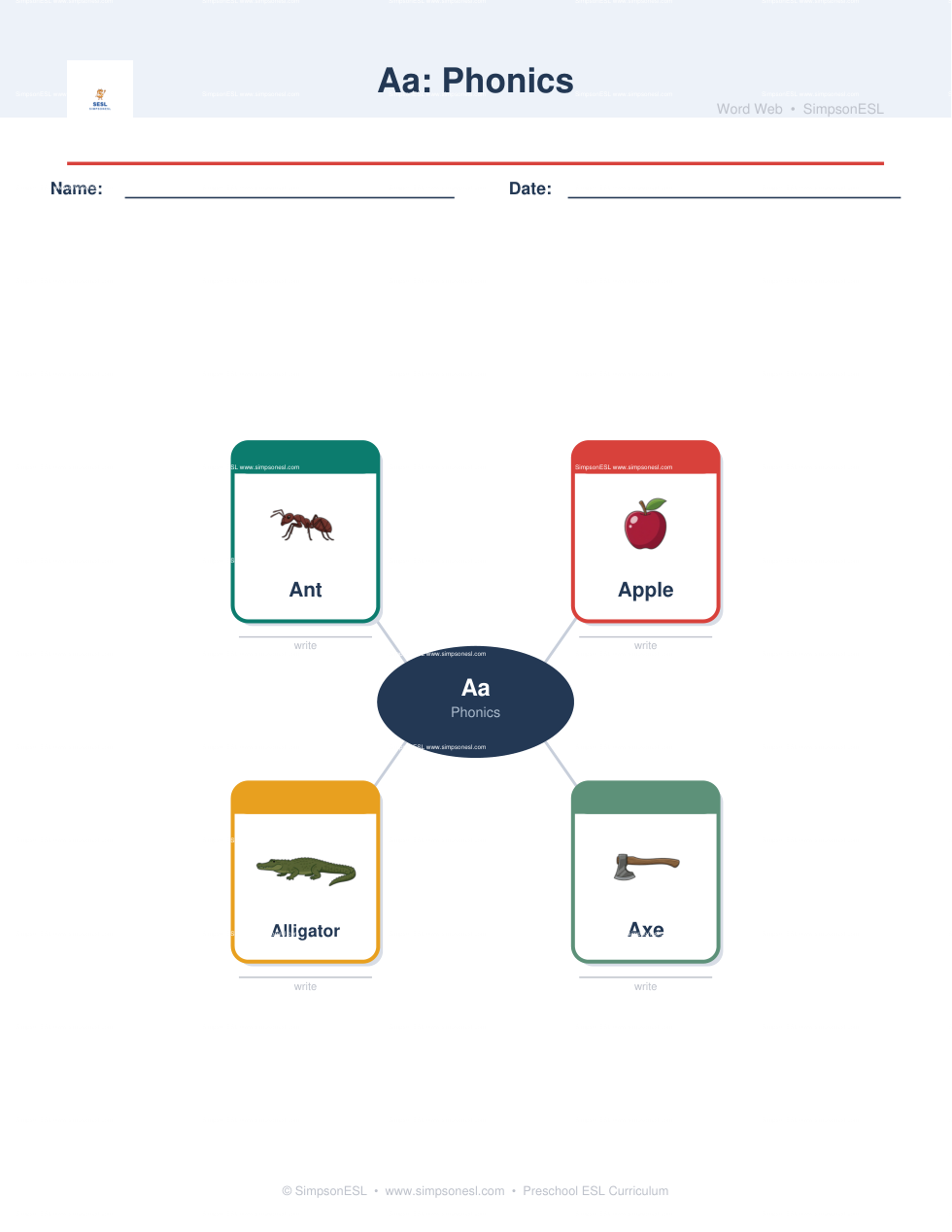
Why mind maps are so useful: a word list is four separate things to remember; a word web is one connected picture. Putting "Aa" in the center with the four words around it shows children — visually, without explanation — that these words belong together because they share a starting sound. Grouping is one of the strongest memory tools young learners have, and the mind map makes the group visible.
It's also the best quick assessment in the pack. Hand it to a child at the end of the lesson: if they can name each picture and write the word on the line beneath it, the lesson stuck. If one card stalls, you know exactly which word to review — no test anxiety, no grading, just a picture they get to complete.
Download the mind map (PDF)Get the whole Letter Aa pack
All four flashcards, the worksheet, and the mind map in one download.
Download the free pack (ZIP, 1.4 MB)No email. No signup. Print and teach.
How to teach this lesson (25 minutes)
- Warm-up (2 min): sing or chant the alphabet up to the letter you're on. Today: stop dramatically at A.
- Flashcards (5 min): introduce each card with the full pattern sentence — "A is for Apple" — and have the class repeat it as a chant. The full sentence, not just the word, builds the pattern.
- Game (8 min): spread the four cards on the floor. Call a word; kids point to (or run to) the right card. Switch to "touch the one that says /a/-/a/-ant."
- Worksheet (10 min): trace the letters, trace and write the words, then draw. Walk the room and have each child say the word they're tracing.
- Mind map wrap-up (5 min, or next-day review): each child completes the word web. If all four lines get filled, the lesson stuck.
Common questions
How do I teach the letter A to preschoolers?
One consistent keyword pairing (A is for Apple), repeated across every activity type — flashcards, game, worksheet, mind map. Change the activity every 5–8 minutes, not the vocabulary. The lesson plan above is the exact structure built into every SimpsonESL lesson.
Why only four words per lesson?
Because retention beats coverage at ages 3–6. Four words repeated through five activities produces more remembered vocabulary than ten words seen twice. The curriculum reaches 333 unique words by keeping each lesson small and finishing every lesson.
What order do I use the materials in?
Flashcards first (introduce), game second (practice), worksheet third (reinforce), mind map last (review and assess). Each stage asks a little more of the child than the one before.
Are these really free?
Yes — this is one real lesson from the SimpsonESL curriculum, free to download with no email required. The full curriculum is 174 lessons like this one, covering ages 3–6 for $20/month.
This is 1 of 174 lessons
Every letter, color, shape, number, and themed unit — each with flashcards, a test, three worksheets, and a lesson plan, generated in one click. Free trial includes 2 full lessons.
Try SimpsonESL Free